
None
4 stars
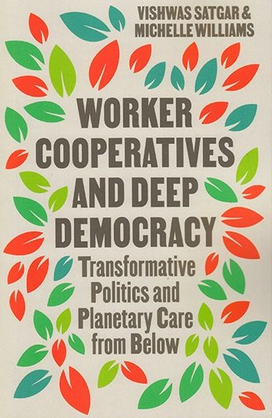
The book starts with two vignettes. “On the one hand, the economic and political elite have amassed so much power and wealth that they shape reality in their interests with little care for the vast majority of humanity. On the other hand, people are coming together to build a different world based on care, solidarity and socio-ecological relations. This book tells the stories of concrete attempts to build a different world, one based on ethical values of life enabling commons systems to find a way beyond the planetary polycrisis that capitalism is hurling at us”.
The strength of this book is that it situates economic democracy within the wider polycrisis, whilst being focussed on the real, local and tangible. Through highlighting the challenges, compromises and constrains that frame members’ real experiences of worker co-operatives, the book brings to life each co-ops contribution to building the post-capitalist world in a way …
The book starts with two vignettes. “On the one hand, the economic and political elite have amassed so much power and wealth that they shape reality in their interests with little care for the vast majority of humanity. On the other hand, people are coming together to build a different world based on care, solidarity and socio-ecological relations. This book tells the stories of concrete attempts to build a different world, one based on ethical values of life enabling commons systems to find a way beyond the planetary polycrisis that capitalism is hurling at us”.
The strength of this book is that it situates economic democracy within the wider polycrisis, whilst being focussed on the real, local and tangible. Through highlighting the challenges, compromises and constrains that frame members’ real experiences of worker co-operatives, the book brings to life each co-ops contribution to building the post-capitalist world in a way that doesn’t just feel “nice for them”.
The book makes the compelling argument that a strong network of co-operatives, working together through solidarity, builds and strengthens the wider democracy of a place. As members build the skills needed for a thriving democracy at work, these skills spill over to their wider community, creating a positive circle of higher trust, organised power and raised expectations. After reading through their examples from 146 co-ops across 15 countries, it feels hard to argue with.
Reflecting on the book, it feels obvious that the widespread approach of moving towards ever-greater privatisation as a ‘remedy’ to the effects of corruption, stagnation and polycrisis is not just wrong headed, its dangerous. Given what I have read in this book, its clear that this approach moves us further from solving the crisis, not closer. But this books makes the case that worker co-operatives, through their members, have an essential role to play in building the future that we all deserve.